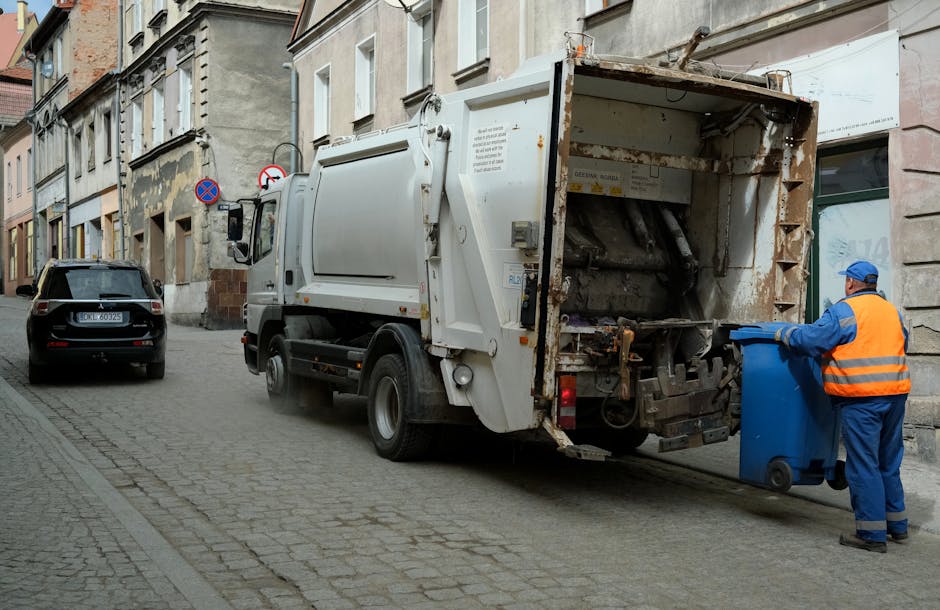
Barkingside High Street rubbish removal guide for shops
If you run a shop on Barkingside High Street, rubbish has a habit of building up faster than you expect. One day it is a few cardboard boxes and some broken display packaging, and the next you are squeezing bin bags past stock, staff, and customers. This Barkingside High Street rubbish removal guide for shops is here to make the whole process clearer, calmer, and a lot less messy.
Whether you manage a convenience store, salon, barbers, takeaway, charity shop, boutique, or small independent retailer, the basics are the same: waste needs to leave the premises safely, promptly, and in a way that does not create problems with neighbours, customers, or compliance. In practice, that means knowing what you can dispose of, how to separate it, when to book collection, and how to avoid the common mistakes that cost time and money.
Below, you will find a practical guide covering the full workflow, useful comparisons, common pitfalls, and a straight-talking checklist you can actually use on a busy trading week. Nothing fancy. Just the stuff that helps.
Table of Contents
- Why it matters for Barkingside High Street shops
- How rubbish removal works
- Key benefits and practical advantages
- Who this is for and when it makes sense
- Step-by-step guidance
- Expert tips for better results
- Common mistakes to avoid
- Tools, resources and recommendations
- Law, compliance and best practice
- Options and comparison table
- Case study example
- Practical checklist
- Conclusion
- Frequently asked questions
Why Barkingside High Street rubbish removal guide for shops Matters
High street shops live and die by presentation. Customers notice the window display, the pavement outside, the smell at the doorway, and even whether there is a neat pile of flattened boxes sitting by the back exit. On a street like Barkingside High Street, where footfall and visibility matter, waste management is not a background task. It is part of the customer experience.
Shop waste is also different from household waste. It tends to be more frequent, more varied, and more awkward to store. You may be dealing with cardboard, shrink wrap, shelf packaging, damaged fixtures, end-of-line stock, food waste, old signage, broken appliances, or confidential paperwork. A single overflowing bin can snowball into a blockage at the rear of the shop or a smell that puts people off walking in. Nobody wants that on a Monday morning.
There is a practical side too. If rubbish is left unmanaged, staff waste time shifting it around, storage space disappears, and collections become less efficient. Then there is the reputational issue. A tidy shopfront suggests control. A cluttered one suggests the opposite. Fair or not, people do judge.
Practical takeaway: For shops, rubbish removal is not just about clearing waste. It is about keeping the shop front tidy, reducing hazards, staying organised, and protecting trading conditions.
If your shop is renovating or replacing fixtures, it can help to look at broader options such as business waste removal for ongoing trade waste and general waste removal when you need mixed items taken away in one visit. That combination is often simpler than trying to manage everything piecemeal.
How Barkingside High Street rubbish removal guide for shops Works
In most cases, shop rubbish removal is a straightforward cycle: identify the waste, separate what should stay on site from what should go, book a suitable collection, and prepare the waste for safe loading. Sounds simple. It usually is, until the back room fills up with odd-shaped items and everyone starts asking who moved the empty boxes.
Here is how it typically works in real life:
- Sort the waste at source. Cardboard, soft plastics, general rubbish, broken furniture, and electrical items should not all be bundled together unless the collection service explicitly allows it.
- Identify any special waste. Fridges, freezers, fluorescent tubes, cleaning chemicals, sharp items, and anything with confidential data may need separate handling.
- Estimate the load size. A few bags is very different from a full strip-out. Knowing whether you need one-off collection or repeat support saves a lot of back-and-forth.
- Clear access. Waste collectors need a route from storage area to vehicle. If the alley is blocked by stock cages, deliveries, or parked vehicles, everything slows down.
- Load and remove. The team will take the waste away, usually aiming to reduce disruption to trading hours.
- Confirm disposal route. Responsible operators separate recyclable material where possible and deal with restricted items properly.
For shops with regular turnover of stock and packaging, a recurring collection arrangement is often the most efficient. For one-off clearances, such as refits or stockroom cleanouts, a one-time uplift is usually enough. If you are unsure which fits best, it can help to compare a regular business waste removal arrangement with a one-off clearance service.
One thing people forget: access matters more than volume sometimes. A small amount of waste in a hard-to-reach rear yard can take longer than a much larger pile with easy loading access. Annoying, but true.
Key Benefits and Practical Advantages
The main benefit is obvious: you get your space back. But the real gains are a bit broader than that.
- Cleaner trading environment: Less clutter in back-of-house areas makes day-to-day work smoother.
- Better customer impression: A tidy frontage and entrance help the shop look cared for.
- Reduced trip and fire risks: Cardboard piles, loose bags, and stored waste can become hazards quickly.
- More efficient stock handling: Staff can move products, deliveries, and packaging without having to dodge rubbish.
- Better use of small spaces: High street premises often have limited storage. Waste takes up valuable square footage you could use better.
- Less stress during busy periods: Christmas, sale season, and refit periods are hectic enough without rubbish piling up.
- Improved sustainability outcomes: When waste is sorted correctly, more can be diverted from general disposal.
There is also a quieter advantage: your team tends to work better in a tidy environment. It is not glamorous, but it is real. People move faster when they are not stepping around old packaging or trying to find the back door in a mess of broken display units.
For shops replacing old fridges, display coolers, or small appliances, the dedicated fridge and appliance removal service can be especially useful because these items are awkward, heavy, and not something you want left on the pavement for long. Same story with old counters and chairs: if you are replacing furniture, a planned uplift is far tidier than trying to improvise on the day.
Who This Is For and When It Makes Sense
This guide is relevant to any shop that generates more waste than a single small bin can handle comfortably. That includes:
- corner shops and convenience stores
- cafes, takeaways, and small food retailers
- barbers, salons, and beauty rooms
- boutiques and clothing retailers
- phone shops and electronics shops
- charity shops and second-hand retailers
- independent traders with stockrooms, basements, or rear yards
It also makes sense if your shop is in one of these situations:
- you have a stock purge or end-of-season clearout
- you are changing displays or replacing fixtures
- you are opening, closing, or refitting a unit
- your regular bins keep overflowing before collection day
- you need to clear bulky waste fast without disrupting trading
- you have inherited a messy stockroom or premises from a previous tenant
To be fair, a lot of shop owners wait until the waste becomes annoying before doing anything. That is normal. But if you are already thinking, "we really should deal with this," then you are usually at the right point to act.
Step-by-Step Guidance
If you want a clean, low-drama removal, the best approach is to treat it like a short project rather than a random chore.
- Walk through the shop and stockroom. Look at what is accumulating. Cardboard, broken shelving, old promotional material, damaged stock, and waste behind counters all count.
- Separate by type. Keep recyclables, general waste, electrical items, and confidential material apart where possible.
- Check for restricted items. Anything potentially hazardous, sharp, contaminated, or data-sensitive needs special care. If in doubt, set it aside.
- Measure access. Note doorway widths, stairs, rear access, loading bay use, parking constraints, and any awkward turning points.
- Decide on timing. Pick a quiet trading window if possible. Early morning can be ideal; so can a closing-time slot if the street gets busy.
- Get a quote based on reality. Be clear about the type and amount of waste. Under-describing the job usually causes delays or extra cost later.
- Prepare the waste for collection. Break down cardboard, bag smaller items, and keep pathways clear.
- Confirm who is responsible for loading. This matters because some collections include labour and others assume the waste will already be staged.
- Keep records. For business waste, it is sensible to keep confirmation of what was taken and when. This helps if there is ever a question about duty of care or disposal trail.
A helpful rule of thumb: if the waste would be awkward for your own staff to move safely, do not leave the planning too loose. Heavy lifting on a narrow high street is not where improvisation shines.
If your clearance also includes office-style material such as old files, archive boxes, or paperwork from a back office, consider confidential shredding for documents that should not go straight into general waste. It is a small step that can prevent a very awkward conversation later.
Expert Tips for Better Results
Good rubbish removal is often about the little things. The job is quicker, cleaner, and cheaper when the basics are done properly.
- Flatten cardboard early. A stack of flattened boxes takes up far less room than loose, air-filled cartons. Obvious, yes, but easily missed on a busy shift.
- Keep one staging area. Choose one spot for waste instead of spreading it across the rear room, alley, and yard.
- Separate hazardous-looking items immediately. Don't let chemical containers or damaged electricals get mixed in with normal rubbish.
- Plan around deliveries. A collection booked at the same time as stock delivery can create chaos. The van and the waste truck will not magically share the same square metre.
- Use quieter hours when possible. Early removals can reduce customer disruption and make access easier.
- Photograph the load before collection. It helps if there is any confusion about what was included.
- Think ahead for bulky replacements. If you are swapping out furniture, shelves, or appliances, clear the old items before the new ones arrive.
One more thing: if you are doing a wider premises tidy-up, it can help to look at office clearance for back-office areas or builders waste clearance if the shop is being refitted. Those jobs can overlap more often than people expect.
And yes, a decent broom is still underrated. Sometimes the difference between "done" and "done properly" is twenty seconds with a brush.
Common Mistakes to Avoid
Most waste problems are not dramatic. They are just a string of little oversights. The good news is that they are easy to avoid once you know what to look out for.
- Leaving waste until closing time every day: this turns a manageable task into a stockroom blockage.
- Mixing everything together: it reduces recycling potential and can complicate collection.
- Ignoring access issues: if collectors cannot reach the waste safely, they may need more time or a second visit.
- Forgetting about confidential material: old receipts, customer records, and staff documents should not be thrown out casually.
- Assuming all bulky items are the same: a wooden shelf, a fridge, and a sofa are handled differently for practical reasons.
- Booking too late: refits and clearouts have a habit of running on shop time, which is to say faster than planned.
- Not checking what the service includes: some collections cover loading and sorting more fully than others.
One of the biggest mistakes, honestly, is underestimating how much waste a shop generates during one busy week. Cardboard alone can fill a surprising amount of space. By Thursday, it looks like a small warehouse has exploded behind the till.
Tools, Resources and Recommendations
You do not need a complex system, but a few simple tools make shop waste control much easier.
- Stackable waste sacks or bins: useful for separating mixed shop waste by type.
- Cardboard cutter or safety knife: helps flatten boxes quickly and safely.
- Label stickers: handy for marking recyclables, general waste, and items waiting for uplift.
- Basic dolly or sack truck: useful for moving bulky items without repeated lifting.
- Document boxes: good for keeping confidential paperwork away from normal rubbish.
- Clear staging zone: a marked corner or bay where waste can be grouped before collection.
For mixed loads that include bulky household-type items from a shop conversion or mixed-use premises, you may also find furniture disposal or furniture clearance relevant if old counters, chairs, or display units need to go. If you are handling broken stockroom items and general clutter, waste removal is often the most flexible starting point.
For overall service planning, useful pages to review include pricing and quotes, recycling and sustainability, and payment and security. They help you think through cost, environmental handling, and admin before the waste is even loaded.
Law, Compliance, Standards, or Best Practice
For businesses, waste handling is not just a housekeeping issue. You need to think about duty of care, safe storage, segregation, and responsible transfer of waste. The exact legal obligations can vary depending on the type of waste and the nature of your premises, so it is wise to follow current UK best practice and seek clarification when you are unsure.
In plain English, that means:
- do not leave rubbish where it creates a hazard to staff or the public
- keep hazardous items separate from general waste
- store waste securely so it does not blow around, leak, or attract pests
- make sure any contractor you use handles waste responsibly
- keep records where sensible, especially for commercial waste movements
For shops dealing with food waste, chemicals, sharp items, or electronic waste, extra caution is sensible. If you are uncertain whether an item belongs in a general uplift, set it aside and ask before mixing it in. That simple pause can save a lot of trouble.
It is also worth reading the provider's health and safety policy and insurance and safety information if you are choosing a contractor. These pages help you understand how the work is managed and what standards should be in place before anyone starts moving heavy items through your premises.
If your shop handles sensitive customer data or old paperwork, a separate stream for shredding is the safer approach. If it handles appliances, check whether they need special treatment. And if the waste includes anything potentially dangerous, use a dedicated route such as hazardous waste disposal rather than guessing. Best practice is usually boring, but boring is good here.
Options, Methods, or Comparison Table
Not every shop needs the same solution. The best method depends on volume, frequency, and how much disruption you can tolerate during trading hours.
| Method | Best for | Advantages | Limitations |
|---|---|---|---|
| Regular business waste collection | Shops with steady daily waste | Predictable, tidy, low admin once set up | May not suit bulky or unusual items |
| One-off rubbish removal | Clearouts, refits, stock changes | Fast and flexible for unusual loads | Less suitable for ongoing daily waste |
| Bulky item clearance | Furniture, counters, appliances | Good for large awkward items | May need separate handling for certain items |
| Mixed waste uplift | Messy back rooms and varied loads | Practical when waste types are blended | Requires clear guidance on restricted items |
If you are stuck deciding, think about how the waste appears on a normal Tuesday. If it is mostly repeating cardboard and packaging, regular business collection is usually the cleanest choice. If it is a one-time mountain of shelves, stock, and damaged fittings, a single uplift makes far more sense.
For shops that want to work in a more controlled way, reviewing what can go in a skip can also help you understand the kinds of materials that are commonly accepted or restricted in different disposal setups. Even if you are not using a skip, the guidance is still useful for shaping expectations.
Case Study or Real-World Example
Here is a realistic example. A small independent shop on Barkingside High Street has spent six months collecting packaging, broken display pieces, old stock, and two damaged shelving units in the back room. It never felt urgent enough to deal with, which is how these things go. Customers still came in, staff still worked around it, and the pile just sort of grew.
Then a new seasonal display arrives. Suddenly the back room is too tight to move in, deliveries are hard to receive, and one staff member has to shift boxes three times a day just to reach a stock shelf. The shop owner books a one-off collection, clears a staging area, separates cardboard from broken furniture, and sets aside a box of paperwork for shredding. By the end of the morning, the room feels bigger, quieter, and easier to work in. No magic. Just space again.
What made the difference was not the removal itself, but the preparation. The job ran faster because the waste had been sorted, access was cleared, and the team knew what to expect. That is the pattern we see most often: the cleaner the prep, the smoother the result.
Sometimes the best outcome is simply being able to open the stockroom door without holding your breath. That probably sounds small, but in a busy shop it is a real quality-of-life improvement.
Practical Checklist
Use this checklist before your next shop waste collection. It is simple, but it works.
- Have you identified all waste types in the shop and stockroom?
- Have you separated cardboard, general waste, bulky items, and confidential material?
- Have you checked for anything hazardous, sharp, or electronically sensitive?
- Is the access route clear from the waste area to the loading point?
- Have you chosen a collection time that will not clash with deliveries or peak footfall?
- Are bulky items ready to move and not blocked by stock or fixtures?
- Have you confirmed whether labour is included in the collection?
- Do you know how the waste will be handled after collection?
- Have you kept any paperwork you may need for internal records?
- Is there a plan to stop the same build-up happening again next week?
If you can tick most of those off, you are in good shape. If not, that is fine too. Better to find the weak spot before the van arrives.
Get a free quote today and see how much you can save.
Conclusion
Barkingside High Street shop waste does not need to become a daily headache. With a bit of sorting, a realistic collection plan, and the right disposal route for each type of item, rubbish removal becomes one of those background systems that just quietly works. And that is exactly what you want.
The best approach is usually the simplest one: keep waste separated, keep access clear, do not leave bulky items hanging around for "later," and choose a service that fits the way your shop actually operates. That way, your team stays safer, your shopfront stays sharper, and your trading space stays usable. Nice and steady.
If you are ready to improve the way your shop handles waste, start with the type of load you have today, not the one you wish you had. The practical answer is usually the right one.
And once the clutter is gone, you will notice the difference straight away. The room feels lighter. The shop runs easier. Funny how that works.
Frequently Asked Questions
What is the best rubbish removal option for a shop on Barkingside High Street?
The best option depends on what you are throwing away. For regular packaging and day-to-day rubbish, a recurring business waste arrangement usually works well. For clearouts, refits, or bulky items, a one-off collection is often more practical.
Can a shop mix cardboard, general waste, and broken fixtures in one collection?
Sometimes yes, but not always. It depends on the service and the item types. Mixing everything together can make recycling harder and may create issues if restricted items are included. It is safer to separate waste where possible and ask in advance if the load is mixed.
How do I prepare my shop waste before collection?
Flatten cardboard, bag loose rubbish, isolate bulky items, and keep hazardous or confidential material apart. Also make sure the access route is clear. That saves time on the day and reduces the chance of delays.
What counts as bulky waste in a shop?
Bulky waste usually includes items like shelving, counters, chairs, display units, large packaging materials, and appliances. Anything awkward to lift or too large for normal bins should be treated as bulky waste.
Do I need a separate service for fridges or appliances?
Often, yes. Appliances can require specific handling, especially if they contain refrigerants or other components that should not go into general waste. A dedicated appliance removal service is the safer choice.
Can I throw shop paperwork into general waste?
You should be careful with paperwork that contains customer details, staff data, pricing information, or other sensitive material. Confidential shredding is the better option for anything that should not be read, reconstructed, or casually handled.
How often should a small shop arrange waste removal?
That depends on footfall, stock turnover, and storage space. A busy shop may need frequent support, while a quieter retailer might only need occasional clearouts. If bins are overflowing or storage is shrinking, it is time to review the schedule.
What should I do with old shop furniture or shelving?
Old furniture and shelving should be removed safely and separately from ordinary rubbish. If the items are still structurally intact, they may be suitable for clearance rather than disposal. If they are damaged, a furniture disposal or clearance service is usually the right route.
Is rubbish removal disruptive to trading hours?
It does not have to be. If you book carefully and clear access beforehand, the process can be fairly smooth. Early morning or quieter periods usually cause the least disruption. Good planning makes a bigger difference than people expect.
What if my shop waste includes something hazardous?
Keep it separate and do not mix it with general waste. Hazardous items need careful handling and should go through a suitable disposal route. If you are unsure, set the item aside rather than guessing. That small pause is worth it.
How can I keep shop waste under control long term?
Use one staging area, flatten cardboard regularly, label waste clearly, and review collection frequency every few weeks. Small habits add up. A tidy stockroom is usually the result of several boring little systems working well together.
Where should I start if I want help with shop waste in Barkingside?
Start by identifying the waste type, the volume, and the access conditions. Then review your collection needs and compare them with your current setup. If you want more detail on the business side, the pages on about us and contact us can help you understand the support available and the next sensible step.