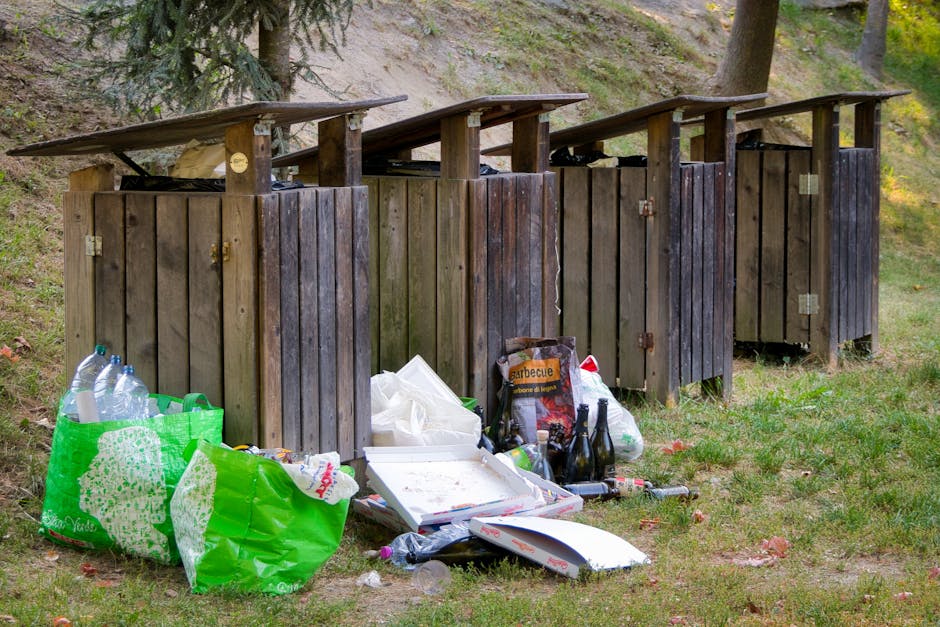
Fairlop Waters garden rubbish collection Barkingside: a practical guide for clear, tidy outdoor spaces
If your garden is looking a bit overwhelmed after a weekend cut-back, a hedge trim, or a proper clear-out, you are not alone. Fairlop Waters garden rubbish collection Barkingside is the kind of service people usually think about only when the bags start piling up, the compost heap is no longer enough, and there is nowhere sensible left to stack branches, soil, and broken pots. The good news? With the right approach, getting rid of garden waste can be straightforward, tidy, and surprisingly efficient.
This guide explains how local garden rubbish collection works in practical terms, what can usually be removed, what to watch out for, and how to choose the best method for your space. Whether you are dealing with a small front garden, a bigger back garden, or a one-off seasonal clearance, the aim is simple: help you make a clean decision without the guesswork.
For many homeowners and landlords, garden waste is one of those jobs that quietly builds up. A few sacks here, a few clippings there, and suddenly the patio is half-covered. Let's face it, nobody wants to keep tripping over pruning waste while trying to enjoy the garden.
Why Fairlop Waters garden rubbish collection Barkingside Matters
Garden waste is not just "stuff in the way". In a local setting like Barkingside, it can affect how usable your outdoor space feels, how safe pathways are, and how quickly a tidy-up can be finished. A pile of cuttings left damp in a corner can start to smell, attract insects, or simply spread everywhere when the wind picks up. British weather does the rest. One wet afternoon and your neat stack of clippings can become a soggy mess no one wants to deal with.
Fairlop Waters garden rubbish collection Barkingside matters because it helps you move from a half-finished job to a properly finished one. That is a bigger deal than it sounds. When garden waste is cleared promptly, you can actually see the result of the work you have done: the lawn looks open again, the border edges appear sharper, and the whole place feels calmer.
It also matters from a practical point of view. Some garden materials are bulky, awkward, or heavy. Branches do not pack neatly unless they are cut down. Turf and soil are dense. Old fencing, rotten sleepers, broken garden furniture, and rusted plant supports all take time to sort. A proper collection service reduces the faff, and in our experience, that alone is what many people are really paying for.
Expert summary: If your garden clearance is more than a couple of bags, or includes mixed waste such as branches, soil, and old outdoor items, arranging a dedicated collection is usually the cleanest and least stressful option.
How Fairlop Waters garden rubbish collection Barkingside Works
In simple terms, garden rubbish collection is the process of loading, removing, and disposing of unwanted outdoor waste from your property. Depending on the job, it may involve hand loading, sack collection, larger item removal, or a combination of all three. The exact method usually depends on how much waste you have, what type it is, and how easy it is to access.
Most collections begin with an assessment. You describe what is there, roughly how much there is, and whether the waste is loose, bagged, or already stacked. If there are awkward items, such as a damaged shed panel or a large root ball, that is worth mentioning up front. It saves everyone time later. Small detail, big difference.
Once the collection is arranged, the waste is removed and taken away for sorting. Garden waste is often separated into recyclable or compostable material where possible, while mixed waste may need a different treatment route. If you are using a broader waste removal service, it can be helpful to ask how garden materials are handled alongside other household rubbish.
Some people also combine outdoor clearance with other jobs. For example, if the garden has become the overflow zone for a garage clear-out, you may want to look at garage clearance or home clearance at the same time. That can be far more efficient than splitting the work into multiple visits.
What usually happens during the collection
- You describe the waste and send photos if requested.
- The collection is planned around access, quantity, and timing.
- The team arrives and loads the waste safely.
- The material is taken away for sorting, recycling, or disposal.
- You are left with a clear, usable space.
That is the basic flow. No drama, no mystery. But the quality of the result depends on prep, access, and being honest about what needs removing.
Key Benefits and Practical Advantages
The most obvious benefit is a tidier garden. But the real value goes beyond appearances. A proper garden rubbish collection can make maintenance easier, reduce strain, and help you finish projects faster. A cleared space is simply easier to work in. You can mow, replant, pressure wash, or repaint edging without constantly moving waste around first.
There is also a time-saving benefit that people often underestimate. Sorting garden waste into manageable piles, loading it safely, and transporting it yourself can swallow a full day. Sometimes more. If you have a car that is not ideal for muddy, thorny, or wet material, the job becomes even less appealing. Honestly, there are better ways to spend a Saturday.
Another big advantage is better waste handling. Garden rubbish is not always just "green waste". It may include treated timber, soil, clay pots, plant ties, broken tools, plastics, and old household items that have drifted outside over time. A service that understands mixed waste can help you avoid making the mistake of putting everything in one bag and hoping for the best. That rarely ends well.
For some properties, a garden clear-out also improves safety. Overgrown waste can hide sharp objects, broken glass, or unstable items. It can block drains, attract pests, or make access difficult for children, visitors, or older residents. A clean garden is not just more pleasant; it is easier to live with.
Practical advantages at a glance
- Less physical lifting and fewer repeated trips to a tip or recycling point
- Faster completion of seasonal tidy-ups and garden projects
- Better handling of mixed or awkward materials
- A safer, more usable outdoor space
- Less mess in the driveway, side return, or hallway
That last one matters more than people think. Dragging wet soil through the house is nobody's idea of a good time.
Who This Is For and When It Makes Sense
Fairlop Waters garden rubbish collection Barkingside is useful for a wide range of people. Homeowners often need it after pruning, landscaping, or a garden redesign. Landlords may need a quick outdoor tidy-up between tenancies. Tenants sometimes need help when the garden has not been maintained for a while and the amount of rubbish is larger than expected. There are also families dealing with inherited properties, where the garden contains years of accumulated bits and pieces.
It makes sense when the waste volume is too much for ordinary bins, when the material is too bulky for a small vehicle, or when you simply want the garden cleared in one go. If the job includes damaged furniture, old planters, a shed full of odds and ends, or mixed outdoor junk, a dedicated collection usually becomes the easiest route.
It can also make sense when the garden is part of a broader property reset. For example, if you are planning redecorating, a house move, or a refurbishment, clearing the outside space first can reduce clutter and make the rest of the work feel less overwhelming. A garden full of old materials has a habit of slowing everything else down. Bit annoying, really.
And if your project stretches beyond the garden, you may want to compare it with services such as house clearance, loft clearance, or builders waste clearance if you are also dealing with rubble, timber offcuts, or renovation debris.
Step-by-Step Guidance
If you want the cleanest outcome, a simple plan helps. You do not need to overcomplicate it. In fact, overcomplication is usually what turns a small tidy-up into an all-day headache.
1. Separate the waste types
Start by splitting the garden waste into sensible groups: green waste, soil, wood, hard plastics, metal, and anything questionable. This makes it much easier to see what you actually have. It also helps if you need a quote.
2. Pull out anything hazardous or unusual
Old chemicals, oils, asbestos-related materials, paint tins, and anything sharp or contaminated should be treated carefully. If you are unsure, do not mix it into the general pile. Check whether a specialist route is needed, such as hazardous waste disposal.
3. Bag or stack the waste neatly
Loose material is harder to move and usually makes a bigger mess. Bags for lighter clippings and tidy stacks for branches or timber help the collection go faster. If there is soil or turf, keep it contained as much as possible.
4. Clear access
Make sure gates, side passages, and pathways are open. If a collection team can reach the waste easily, they can usually work faster and more safely. This is one of the easiest ways to improve the whole process.
5. Share photos and be specific
Photos help, but only if they show the full picture. Include wide shots and close-ups. If there is hidden waste behind a shed or under a tarp, mention that too. Being vague here often leads to delays or awkward surprises on the day.
6. Ask how the waste will be handled
If recycling or responsible disposal matters to you, ask about sorting and processing. Services that care about recycling and sustainability can usually explain how green waste and mixed material are separated in practice.
7. Keep the end goal in view
Are you just clearing space, or are you preparing for planting, paving, or a bigger redesign? The answer changes how thorough the collection should be. If you want the garden properly reset, it is better to remove a bit more than you think you need.
Expert Tips for Better Results
One of the best tips is to clear from the far end of the garden back towards the exit. That way you do not keep walking over the same ground and making mud trails or flattening flower beds. Simple idea. Works well.
Another useful trick is to keep green waste separate from non-organic waste. Grass cuttings, leaves, hedge trimmings, and small twigs are one thing. Broken pots, wiring, and plastic edging are another. If you mix everything together, the collection may be slower and less efficient.
If you have a large garden job, cut branches down before collection day where safe to do so. This reduces bulk and often makes the waste easier to load. Just do not try to force-feed a thick branch into a small bag. That way lies frustration.
It also helps to think in zones. Front garden, side return, back garden, shed area, then any extra items. That mental map makes it easier to spot hidden waste. People are often surprised by how much appears once the main pile is removed. There is always one more corner, isn't there?
Finally, be honest about awkward items. A half-buried planter full of compacted soil is not the same as a few bags of hedge clippings. A rotten fence panel is not the same as a stack of cardboard plant trays. The more precise you are, the smoother the day tends to go.
Common Mistakes to Avoid
The biggest mistake is underestimating volume. Garden waste looks small until you start stacking it. A heap of branches can swallow more space than expected, and soil is much heavier than it looks. That "small pile" can become the whole job.
Another common issue is mixing ordinary garden waste with items that need separate handling. Treated timber, electrical items, old appliances, and chemicals should not just be thrown in with clippings. If your garden contains anything like that, take a moment to sort it properly.
People also forget access. A clear path saves time and lowers the chance of damage. If the only route is through a narrow side passage full of loose pots, the collection gets slower and messier. Not ideal.
Skipping the photo step is another classic. A couple of pictures can prevent a lot of back-and-forth later. In a local collection, clarity is worth more than guesswork.
And one more: leaving wet waste too long before collection. Damp green waste becomes heavier, smellier, and harder to move. If possible, get it dealt with before it turns into an unpleasant little biology project.
Tools, Resources and Recommendations
You do not need a shed full of specialist kit, but a few basic tools make the job easier. Strong refuse sacks, garden gloves, a rake, pruning shears, and a wheelbarrow can help you organise waste before collection. If you have a larger clear-out, a tarpaulin is useful for keeping piles together and reducing scatter.
For mixed outdoor clearances, consider whether the garden job is really part of a broader property tidy. If so, services such as furniture disposal or furniture clearance can be useful when old benches, chairs, or garden furniture have become part of the clutter.
If your waste includes items from a shed or garage too, it may be worth looking at garage clearance alongside the garden work. This is often the smart move for properties where outdoor storage has become a sort of unofficial dumping ground. Happens all the time.
A good recommendation is to keep one "questionable items" pile during sorting. Do not guess. Just place anything uncertain there and review it separately. That small habit reduces mistakes and helps you avoid contaminating recyclable material.
Law, Compliance, Standards, or Best Practice
When dealing with garden rubbish, the main thing is to make sure waste is handled responsibly and kept separate where needed. In the UK, waste duties can be relevant depending on the type of material involved, especially where business premises, landlords, or renovation work is part of the picture. You do not need to become a legal expert, but you do need to avoid casual dumping and keep an eye on what is being removed.
Best practice is simple: know what you have, separate anything hazardous, and make sure the waste goes through an appropriate route. Garden waste is often straightforward, but once you mix in treated wood, broken fittings, chemicals, or construction debris, the job becomes more complex. That is where careful sorting really matters.
If you are using a professional collection, it is sensible to check that the provider works with safe loading practices, responsible handling, and proper insurance. Pages such as health and safety policy and insurance and safety can be useful indicators that a company takes the work seriously.
It is also worth understanding what happens to recyclable materials. A responsible operator should be able to explain, in plain English, how they approach sorting and disposal. If the explanation feels vague, that is usually a sign to ask more questions.
Options, Methods, or Comparison Table
There is more than one way to clear garden rubbish. The right choice depends on volume, urgency, and how much physical work you want to do yourself.
| Method | Best for | Advantages | Trade-offs |
|---|---|---|---|
| DIY trips to a disposal point | Small amounts of light garden waste | Can be cost-effective if you already have transport | Time-consuming, messy, and awkward for bulky or wet waste |
| Skip hire | Larger ongoing projects with mixed waste | Useful if the waste will build up over several days | Needs space, loading effort, and careful waste sorting |
| Man and van style garden collection | One-off clearances and bulky piles | Quick, flexible, and usually less hassle | May not suit very large or long-term projects |
If you are weighing up a skip against a collection, it may help to review what can go in a skip. That gives you a practical sense of what is suitable, what needs separation, and where the limits usually appear.
For many garden clear-outs in Barkingside, a collection service is the easiest middle ground. It avoids the planning headache of skip placement, but still handles a good volume of waste efficiently.
Case Study or Real-World Example
Here is a realistic example. A typical Barkingside homeowner decides to cut back an overgrown hedge, remove some dead planting, and clear out an old stack of broken terracotta pots near the fence. There is also a small pile of timber offcuts from a previous DIY project, plus a cracked garden chair and a bag of mixed rubbish that had been sitting outside for months.
At first glance, it looks like "just a few bags". After sorting, it becomes clear there are several different waste types and a couple of awkward, bulky items. The waste is bagged by type, the branches are tied or stacked safely, and the access route along the side passage is cleared. The collection is then easier, faster, and cleaner than trying to do it all in one chaotic sweep.
The real result is not just that the garden looks better. The homeowner can now mow properly, wash the patio, and start replanting the border without first moving rubbish around. A small victory, perhaps, but those are the ones that stick. You feel it when you step outside the next morning and the space is just... open.
Practical Checklist
Use this quick checklist before arranging your garden rubbish collection:
- Separate green waste from mixed rubbish
- Remove any hazardous items and set them aside
- Break down branches, timber, and bulky pieces where safe
- Bag lighter clippings and loose material
- Clear access paths, gates, and side passages
- Take wide photos of the waste piles
- List anything awkward, heavy, or unusual
- Think about whether garage, home, or furniture clearance is also needed
- Confirm how the waste will be handled or sorted
- Keep your end goal in mind: tidy-up, project prep, or full reset
If you can tick most of those off, you are already ahead of the game.
Conclusion
Fairlop Waters garden rubbish collection Barkingside is really about making outdoor spaces usable again. Not just "cleaner", but easier to enjoy, easier to maintain, and easier to build on for the next job. Whether you are clearing hedge cuttings, broken planters, old outdoor furniture, or a mixed pile from a bigger garden project, the key is to plan a little, sort sensibly, and choose the right collection method for the amount of waste you have.
It does not need to become a major ordeal. Most of the stress disappears once the waste is grouped properly and the access is sorted. After that, it is just a matter of getting the job done. Nice and simple, really.
Get a free quote today and see how much you can save.
And if the garden has been nagging at you for weeks, maybe this is the moment to stop putting it off. A clear space has a way of making everything feel lighter.
Frequently Asked Questions
What is included in Fairlop Waters garden rubbish collection Barkingside?
It usually includes the removal of garden waste such as grass cuttings, hedge trimmings, branches, leaves, soil, turf, broken pots, and some outdoor junk. If you have mixed items, it is best to describe them clearly before collection.
Can garden waste be mixed with household rubbish?
Sometimes, but not always. Mixed waste can affect how items are sorted and handled. It is usually better to keep garden waste separate from ordinary household rubbish where possible.
Do I need to bag all garden waste before collection?
Not always, but bagging lighter waste makes the job easier and cleaner. Branches and larger items can often be stacked or bundled safely instead.
What should I do with soil and turf?
Soil and turf are heavy, so it helps to keep them contained and mention them in advance. They often need more careful handling than leaves or cuttings.
Can old garden furniture be removed too?
Yes, in many cases. Items like broken chairs, benches, or tables may be removed alongside garden rubbish, though it is sensible to mention them when requesting a collection.
How do I know if something counts as hazardous waste?
If the item is chemical, contaminated, oily, or potentially harmful, treat it carefully and do not mix it with general waste. When in doubt, ask about hazardous waste disposal rather than guessing.
Is it better to book a collection or hire a skip?
That depends on the size and duration of the job. A collection is often best for one-off clear-outs, while a skip can suit longer projects. If you want a quick comparison point, what can go in a skip is a useful place to start.
How can I make the collection quicker?
Sort the waste beforehand, clear the access route, and take photos of the full pile. The clearer the setup, the smoother the collection tends to be.
What if my garden waste is part of a bigger clear-out?
That is common. Many people combine garden rubbish removal with house clearance, home clearance, or garage clearance to deal with everything in one visit.
Should I ask about recycling?
Yes, absolutely. It is sensible to ask how green waste and mixed materials are sorted, especially if you care about responsible disposal and reducing landfill where possible.
What if I only have a small amount of garden rubbish?
Even a small amount can be worth collecting if it is awkward, messy, or difficult to move yourself. A few heavy bags can still be a nuisance, particularly if you do not have the right vehicle.
How far in advance should I arrange the collection?
For a straightforward tidy-up, a short lead time may be enough, but it is always safer to plan ahead a little, especially during busy weekends or after a spell of windy weather when garden waste tends to pile up quickly.